
In veterinary practices, telephones are not in a state of decommissioning regardless of the time that a practice closes. Pets are susceptible to illness at any time of the night, patients may panic at weekends, and the most urgent questions often do not occur at convenient times. If calls aren’t answered, sent via voicemail or an answering service that is generic and has no clinical understanding can cause frustration to pet owners, stress for vets on call and miss opportunities to the practice.
It is because of this that after-hours communications are an important part of veterinary operations. A reputable veterinary answering service goes beyond picking the phone. It safeguards the relationship with pet owners, guides them to the next best step, and reduces the load on internal staff. After-hours assistance is no longer a luxury in the current veterinary industry. It’s a part of how a practice provides continuity of care.
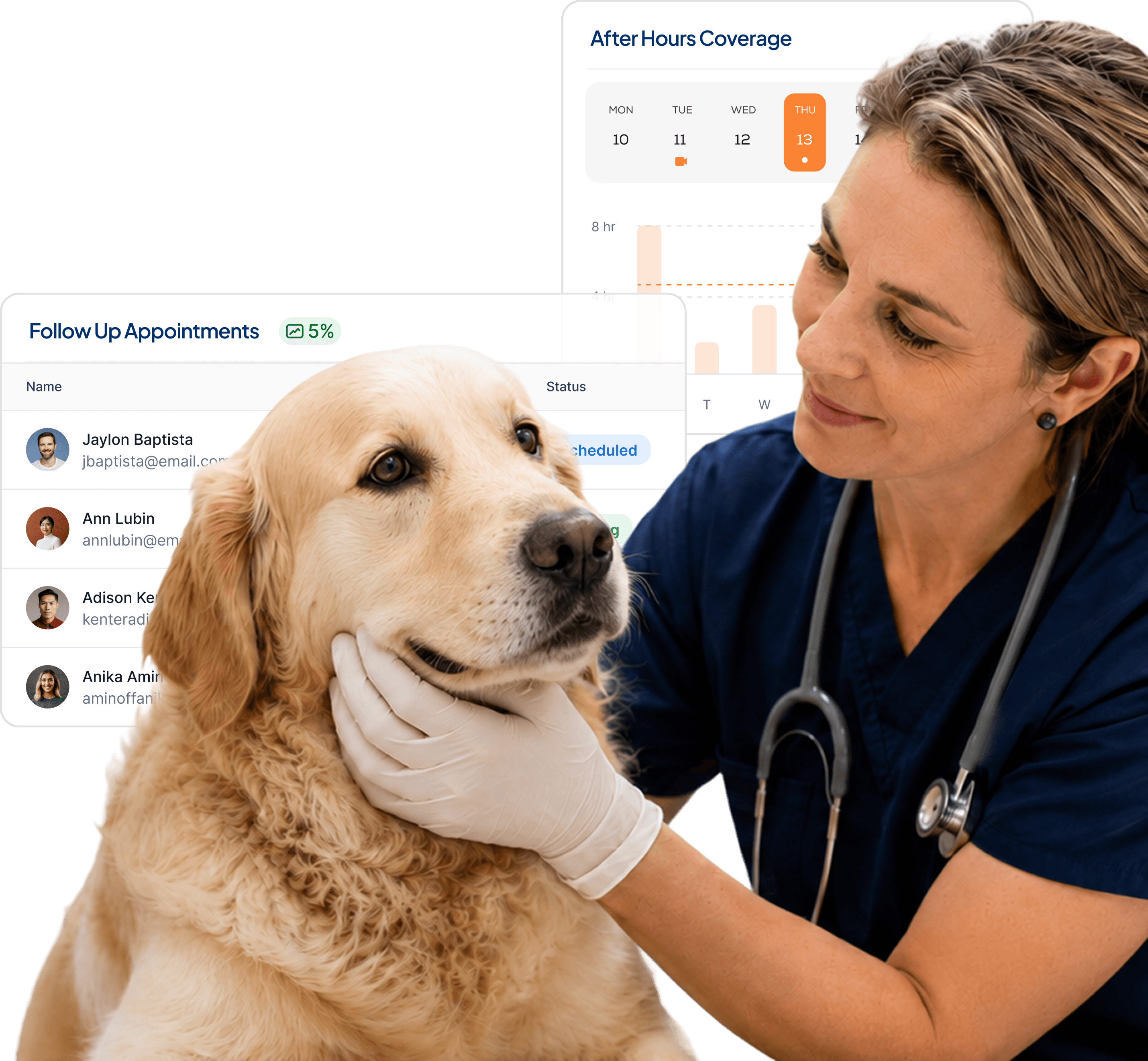
Image credit: guardianvets.com
Not all answering solutions are made for veterinary use.
There’s a distinct distinction between a standard vet answering service and one developed specifically for veterinary hospitals. In a veterinary facility, after-hours calls are rarely simple. A patient may be anxious about exposure to toxins and post-surgical complications. They may also be concerned about vomiting breath changes or whether their pet requires immediate emergency care. These scenarios require more than just relaying messages. These scenarios require calm communications and judgment from someone who is well-versed in the veterinary workflow.
That is where GuardianVets sets itself apart. Instead of being a call center, GuardianVets is an veterinary support partner that is and is staffed by a Credentialed Vet Technologist. That distinction matters. A trained technician can assess the nature of the call, follow the clinic’s triage and escalation protocols, help the pet owner understand the level of urgency, and direct them toward the right next step without stepping outside the boundaries of the veterinary-client-patient relationship.
A veterinary triage service helps everyone make better decisions
A genuine veterinary triage system could help you understand the situation during stressful times. Owners of pets often don’t be aware of whether a problem can be put off until next day, when they need to make a follow-up appointment, or if they need immediate emergency care. Many people are left in the dark, and are forced to rush to an emergency hospital unnecessarily or delay seeking care.
Triage can help close the gap. It provides pet owners with an experienced person to talk to, reduces confusion, and aids practices ensure that urgent situations are dealt with properly while concerns that are not urgently required are documented and properly routed. Additionally, it protects veterinarians from being held up for situations that do not need intervention by a doctor during the hours. That can make a meaningful distinction in work-life balance particularly for hospitals where the same doctors carry the clinical load during the day and carrying the evening call burden.
Call centers for vet practices must be able work in conjunction in conjunction with your workflow and not be in opposition to them
Modern call centers for veterinary medicine are not a solution which is unconnected from your practice. It should serve as an extension to your team. This means it has to understand your appointment rules the emergency protocols you use as well as your escalation routes and even your communication preferences. This includes integrating your PIMS system, so that notes on triage and scheduling outcomes flow into the system currently utilized by your staff.
GuardianVets is based on this notion. The process consists of assessing the gaps in call coverage and mapping present client communication. It also includes building a workflow which reflects the real-world situation of the clinic, rather than forcing it into a predetermined template. This is a significant shift from traditional answering companies, which typically stop at message capture and then leave the practice to sort everything out in the future.
Convenience is not the only benefit of having better coverage after hours
A reliable veterinary after hours answering service does more than reduce missed calls. It helps maintain customer trust in stressful situations as well as keep more clients within the network of your practice when needed and provide your team with an effective method of handling the demands of after hours. This could increase revenue through the conversion of weekend or nighttime inquiries into booked appointments instead of missing opportunities.
It also assures pet owners that they can get help in the event of need. In the field of veterinary medicine, this kind of assistance is essential because the majority of calls made after hours do not just involve logistics. These calls are usually emotional. The response to a loved animal may affect how they are feeling long after the issue is resolved.
GuardianVets is a veterinary answering service that provides hospitals with an option that goes above and beyond the standard model. It helps practices stay available for their clients, even if the clinic’s doors close, through integrating workflows medical triage, compassionate communication.