
The month has ended. The month is done.
Verify the restaurant’s bank account.
You didn’t get the number you had hoped for.
Restaurant owners, this disconnection can be a source of frustration because profits and cash available feel as though they should have the same meaning. They aren’t. The P&L is a metric of financial performance, while the bank account is a reflection of when money moves in and out.
Understanding the difference could alter how a business owner looks at restaurant finances.
Imagine what happens on an average week. Food is paid for by customers. Employees have to be paid. Food and beverages are delivered with invoices. Rent is getting closer. The timing of the credit card deposit is different. Sales tax is collected, however that money is subject to an obligation.
The purchasing for the coming week has already started.
When you concentrate on revenue or the number of dollars earned at the end, it is easy to miss a lots of activities.
Prime Cost Could Hold the Key to the Answer
The cost of food, drinks and labour costs merit a closer review when the profitability of a restaurant begins to fall.
Prime cost is composed of both items and labour. Bookkeeping Chef’s guidelines place prices for the prime cost at around 60%-65 percent for a variety of restaurants and stresses weekly monitoring rather than waiting until the end of the month.
Effective primary cost management requires less focus on a single percent and more noticing early changes.
If the restaurant is performing within its targets However, this week’s number is higher. Perhaps the overtime rate went up. Maybe the costs for beverages were stable, but food costs increased. An increase in the percentage of food items could prompt the owner to examine purchasing, waste, menu mix, portions or invoices from vendors.
The percentage is crucial. The answer is found in the restaurant’s activity.
The reason this conversation can be relived is because everybody can remember the details of what transpired.
Two or three weeks later The details are much harder to understand.
The Vendor’s Bills Arrive
The restaurant is expected to pay later for the food items it buys. This is a way to explain the reason why profit alone isn’t enough to answer all cash questions.
Vendor invoices need to be accepted and logged. This can take quite a task in the case of a business with several suppliers.
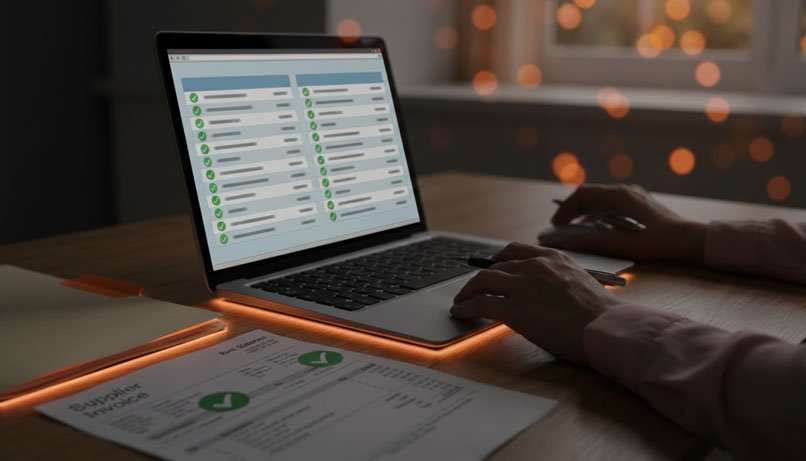
Automating the account payable process will help to organize the process by reducing the time-consuming handling of payments and bills. The owner can get more precise information about the debts that haven’t landed in their bank account through the bookkeeping software that is connected to.
This is beneficial, as the bank’s balance could appear healthier than a restaurant’s actual financial situation.
There might be $80,000 in the account right now. This number can be interpreted differently if it is impacted by other variables like rent or other expenses, such as payroll, vendors or other obligations over the next few days.
Cash flow forecasting is a common outcome.
Instead of asking “How many dollars of cash are we carrying?” the better question becomes “What will transpire with our cash after the money we’re expecting to receive and the obligations we are already aware about?”
It is important to know the difference when deciding if this week is the best time to replace equipment, buy additional products or to conserve liquidity.
and some of the cash Wasn’t Yours at All
The sales tax illustrates this in particular.
The money that restaurants receive from their patrons will eventually have to be handled in line with its tax obligations. If these cash-flows are placed in the same category as operating cash, they can make a false impression about the amount of money that is available for spending.
A consistent record-keeping system helps restaurants comply with sales tax laws and also providing a realistic image of their financial condition.
It’s for this reason that restaurant accounting can be more effective when financial responsibilities don’t are considered as distinct islands.
Prime cost affects margin. COGS (cost of goods sold) and future payments are affected through purchases made by vendors. Payroll can affect both cash and labor percentage. Sales tax impacts cash availability. P&Ls report financial performance, and forecasting lets management look ahead.
The pieces link.
Bookkeeping Chef makes use of restaurant-specific reports as well as system integrations to put all the pieces together. For operators who don’t want to spend their nights manually reconciling financial data, specialized outsourced bookkeeping services can handle much of the accounting workload without removing the owner from the financial conversation.
It’s the very last one that matters.
It’s not the aim of restaurant owners to stop checking their books because someone else does. Owners need to be informed which will allow them to know what’s going on.
If the P&L shows that the restaurant is profitable however, the balance in the bank feels insufficient, don’t believe the P&L may be inaccurate.
Find out what happened between you and your partner.
Answering this question can provide more information about the restaurant than just the name.