
A cryptocurrency wallet shows an account balance of 1 USDT. The screen displays a straightforward figure of around 1,000 dollars in digital format. However, that amount raises an interesting question. What makes these coins worth approximately $1 each?
A stablecoin account differs from a traditional bank balance. It’s a digital currency that are issued pursuant to an independent financial agreement. To fully comprehend the structure of a stablecoin, you need to consider the cryptocurrency’s prices beyond and analyze issues like reserve, issuer as well as blockchain technology and redemption.
The Blockchain Only displays tokens, not the complete financial picture.
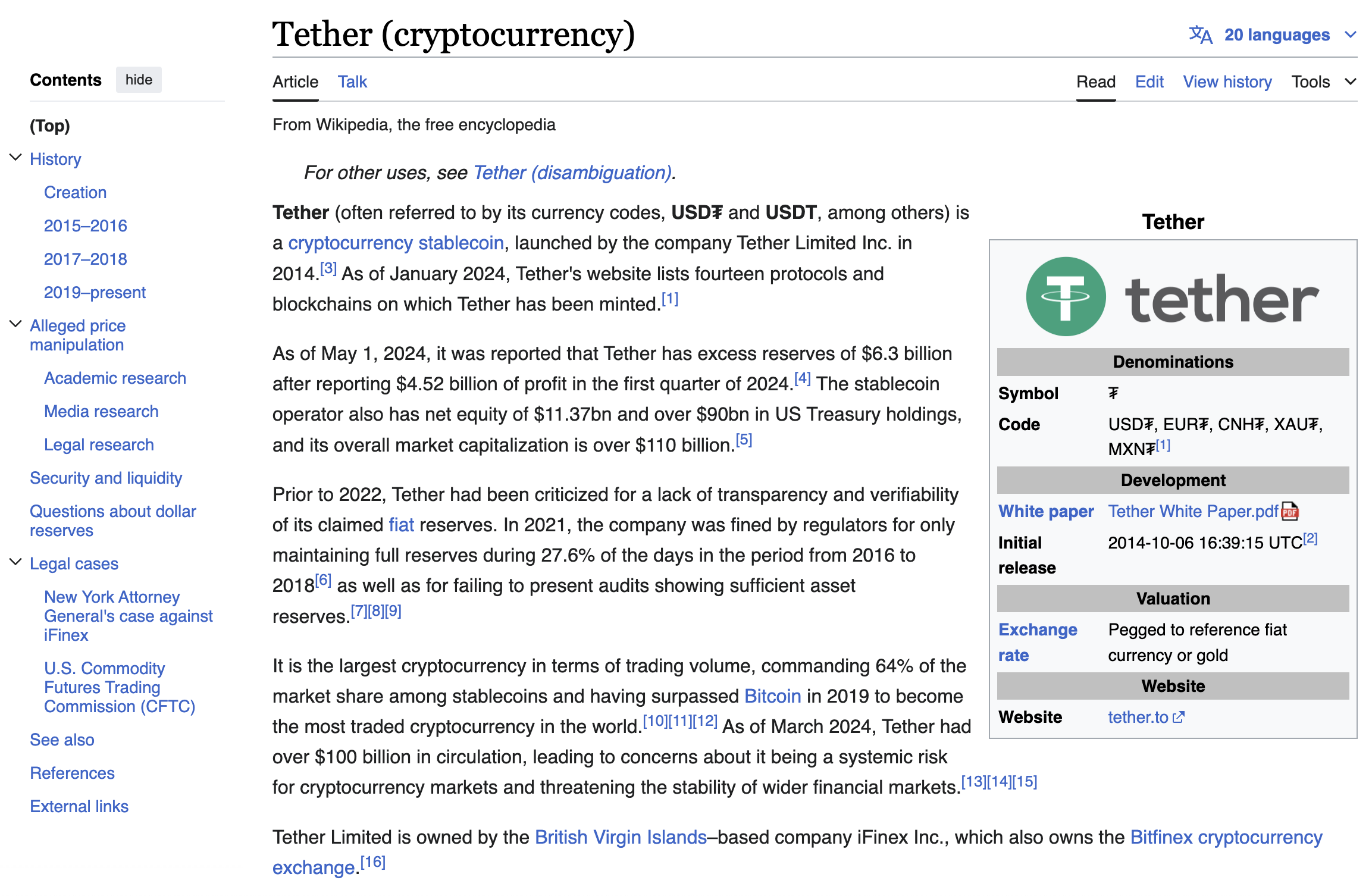
The USDT stablecoin (commonly referred to as tether) is created to hold an approximate value of U.S. currency. Tether issues tokens and claims that its supply of circulating coins is backed by reserves. Blockchain records on their own are not able to determine the exact composition or financial health of these reserves.
A public ledger could reveal balances and token transfers as well as certain contract activity. It is not able to confirm the assets of traditional financial instruments, like bank accounts.
This distinction is crucial when looking at the transparency of stabilitycoins. An accurate reserve assessment considers the issuer’s statements, assets types in their liquidity, as well as any independent confirmation.
Ethereum Involves Token Activity Light
On Ethereum, USDT operates through an ERC-20 smart contract. The contract tracks token transfers and keeps balances in line with the rules that it has coded. Since Ethereum is a blockchain that is public that allows users to look over the transaction histories and other activity through compatible block explorers.
It is possible to observe how tokens are transferred between addresses thanks to this transparency. However the ability to monitor transactions doesn’t mean that it will reveal the real-world identity of the wallet owner or the reason behind the transaction.
Ethereum also supports decentralized financial applications that use stablecoins for trading, lending, and other activities. The applications also pose risks, such as smart contracts vulnerability and problems with liquidity.
Stablecoins can be traded at a cost that is higher or below the value of the dollar
USDT is a currency designed to keep the dollar peg. However, its exchange rate is determined by the market. During normal trading hours, USDT is able to be traded at rates that are a bit greater or less than a dollar.
Demand for liquidity in the market, available liquidity exchange conditions, market demand, and confidence in redemption arrangements may affect these variations.
If you’re eligible and have access to the redemption services of an issuer, then you are able to support the peg by exchanging tokens in underlying currency, provided that there are no restrictions or fees.
However it is true that not every retail holder has direct redemption access. A lot of people prefer to purchase and trade USDT on cryptocurrency exchanges. Prices are based on current market liquidity. So, a stablecoin’s stated value and the actual price are related but not identical.
The Issuer is a powerful person.
It is a commonly held belief that all assets on the blockchain that is decentralized have to be themselves decentralized. Ethereum is governed by a distributed system, while USDT is issued and maintained by a central entity.
Its issuer oversees crucial aspects of token creation, redemption, and administration capabilities in token contracts.
For example, Tether can freeze specified addresses under applicable circumstances. These capabilities differentiate centrally-issued stablecoins from cryptocurrency that have no similar issuer. Knowing this structure can help users understand that blockchain decentralization does not mean that it eliminates risk associated with the issuer.
Independent research helps distinguish factual information from assertions
A trustworthy crypto wiki will distinguish between blockchain activity which can be verified publically and financial disclosures by issuers, and assertions backed by independent evidence.
It’s also important to look back. Tether has been subject to regulatory scrutiny in relation to earlier representations regarding reserve funds that included a 2021 settlement with the U.S. Commodity Futures Trading Commission. This is a reason the reasons why transparency, accountability and stablecoins remain important research topics.
TetherWiki is an independent encyclopedia covering USDT as well as stablecoins in general Blockchain networks and cryptocurrency trading platforms and the latest developments in regulatory matters. The website does not have any connection with Tether Limited. It is an independent source of education that users can utilize to gain knowledge about the stablecoin market.
Understanding USDT is more than just its price
Stablecoins are a combination of several methods: Blockchain technology token issuance as well as financial reserves and trading markets.
Each system addresses a distinct question about how the asset operates. Ethereum provides visibility into any token transaction. Reserve disclosures offer information about the claimed backing. Exchanges provide market prices and liquidity.
Each of these sources does not tell the complete story. If you are interested in researching USDT, the most useful strategy is to analyze the technology and the financial structure. It might seem easy to say that a token is equivalent to one dollar, but to understand what is at the root of this value, you’ll need to look beyond your wallet.