
The opening day isn’t the best time to judge the performance of a park. The test is more effective five, ten, and twenty years later. Do you think the bathroom is still easy to maintain? Materials have they been able to withstand the weather and the constant use of people? Does the structure work with the surrounding park? What’s the most important aspect is that the original concept was translated into a structure that is functional?
The answers to those questions are why selecting the most effective park design is more than just comparing attractive renderings. Public architecture must survive the process of permitting, bidding, construction and maintenance, in addition to many years of regular usage.
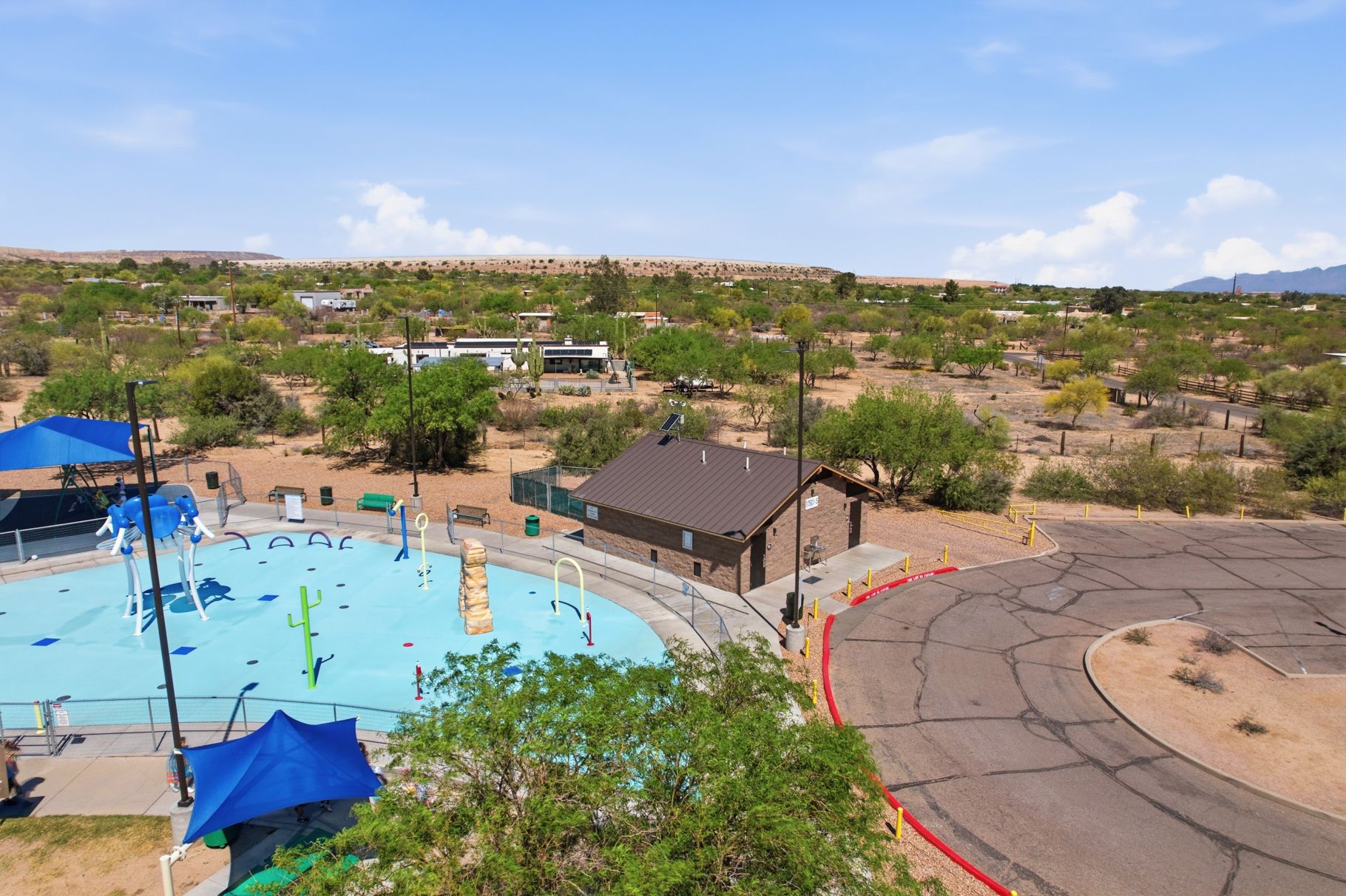
Image credit: romtec.com
Design decisions can have a direct impact on operations
Take into consideration the finish on the exterior. It influences the appearance however it could impact cleaning requirements, repair costs, weather resistance, and the ease with which graffiti can be addressed. The roof design can help enhance the look of a park, while altering drainage and maintenance. The layout of the interior can affect access, circulation of visitors clean-up routines, and fixture placement.
The most experienced and best park restroom designers must therefore think simultaneously about the design and operations.
Romtec works with landscape architects, contractors, as and municipalities to build custom restrooms. This is a different approach to standardizing the appearance of restrooms. Materials, shapes, colors fixtures, siding and more can be coordinated with other developments.
The drawing must become an actual building
The idea may look fantastic on screen, but it may not be feasible to construct or cost. Construction codes, ADA requirements, locally licensed architectural review, accessible components, structural requirements and construction costs are all part of the equation.
Romtec assists with projects by providing initial designs estimates, bid plans and specifications, as well as renderings, engineered plans and submission documentation. The involvement of Romtec helps create the architectural design from conception to construction.
When evaluating the best park restroom builder, owners should consider this middle portion of the project carefully. The absence of specifications, the wrong materials, and poor coordination can result in costly costs during the transition from design to construction.
Infrastructure refers to public restrooms.
The public restrooms are usually seen as a part of or an accessory to a larger park. They’re more an infrastructure than anything else.
A crowded restroom can serve people of all ages, including children, adults, employees, athletes tourists, maintenance staff, and those who have disabilities, all day. Depending upon the plan, the planners may need to consider ADA accessibility as well durable surfaces such as utilities, vandal resistance, energy efficiency and cleaning accessibility.
A campground is distinct from a central park. A sports venue could be subject to an influx of people during games whereas a neighborhood facility could see moderate to constant daily usage. Instead of trying to address these differences in the aftermath of construction, they must be considered when designing the structure.
Budgeting without planning everything out
Cost control is essential in public construction, however value engineering shouldn’t automatically require the removal of every unique feature.
Designers can make better decisions if they are aware of the actual costs. There is a chance to redirect money from a design that has little operational value toward a more durable material, better fixture, or architectural element which contributes to the overall design.
Romtec’s expertise in restrooms, pavilions, concessions, showers, shelters and multipurpose facilities allows the conversations to happen even as designs are flexible.
A well-designed restroom in a park can be successful because it’s not a major concern for visitors. It is accessible, easy for people to find, appropriate to its surroundings, reliable, and built for years of use by the public. Behind that simplicity is a surprisingly detailed combination of engineering, design, budgeting documents, and construction planning.