
The efficiency of a lift station can be established long before it is a concrete structure containing pumps, piping and valves. Calculations for flow, elevations of the site and system pressures and wastewater characteristics, peak conditions maintenance access, controls, and the capacity of the future will all determine what will ultimately be constructed.
The most important for project managers to consider when comparing most reputable lift station designers is not who can specify the pumps. What is the best way to translate site conditions into a complete, practical system that is easy to maintain, install, and run?
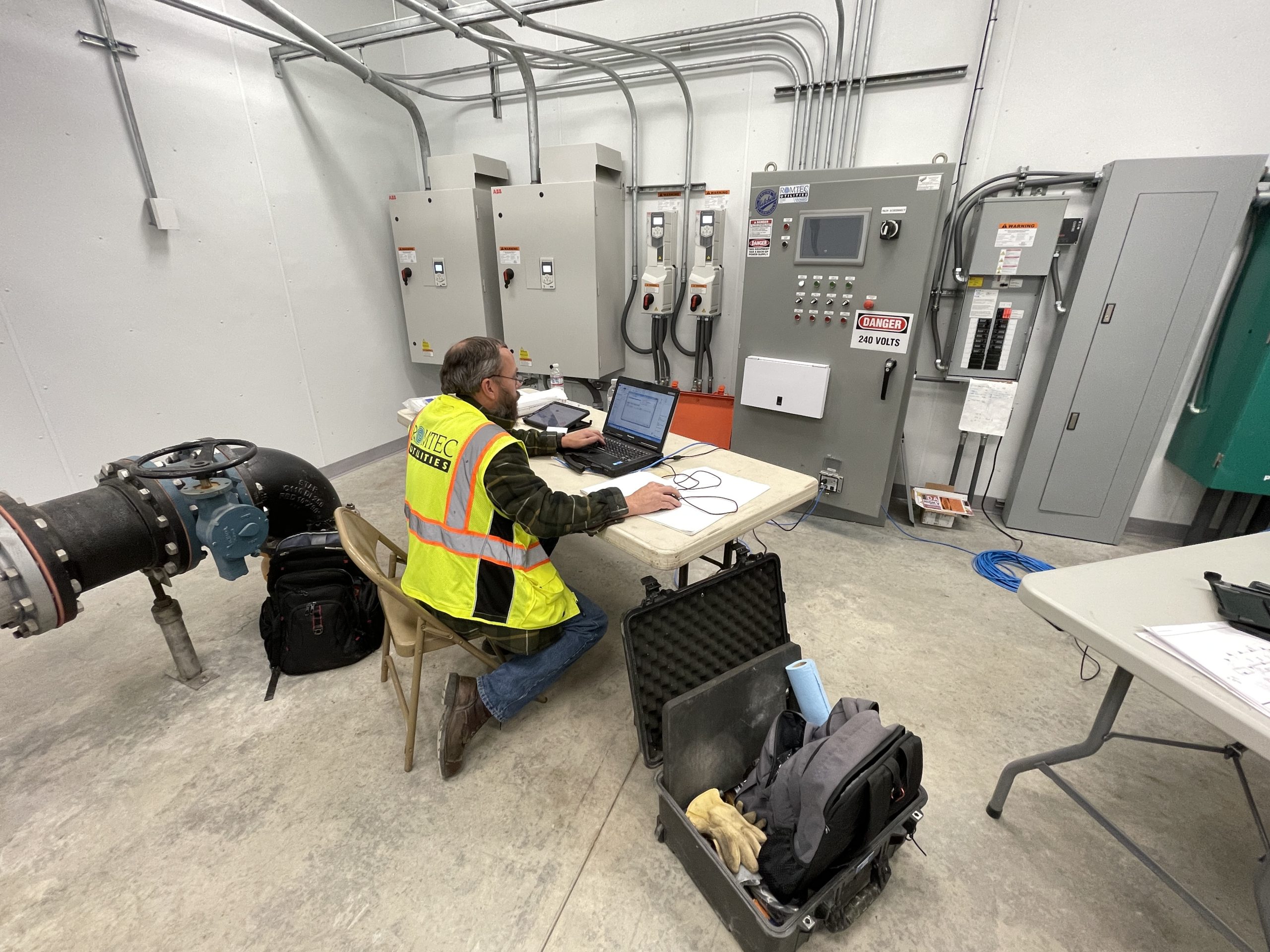
Image credit: romtecutilities.com
Gravity has its limits
Gravity is typically the most efficient method to transport wastewater, but terrain and development patterns aren’t always in sync. The newest commercial, residential and industrial developments are typically too high or distant from gravity sewer infrastructure.
The lift station is the system which transports the wastewater the next point of collection. However, the design process requires a thorough understanding of normal operation in addition to less favourable situations such a peak inflow, maintenance of pumps, breakdowns in equipment, or future increases in demands.
The most effective companies in wastewater design must analyze the whole issue instead of just focusing on the station.
The current infrastructure makes the puzzle more difficult
The construction of new buildings is not only a problem, but it is also a major challenge. Municipalities are often required to repair or replace older stations while keeping vital sanitation infrastructures in operation.
Existing wet wells, force mains electrical services, controls boundary lines for the site, as well as downstream infrastructure can limit the design. Engineers must consider what components can be left in place, what will require replacement, and how new components can be integrated into the existing system.
Romtec Utilities works across municipal, private, commercial, industrial, retrofit, and replacement projects, allowing pumps to be designed around the specific operational and ownership requirements of every project.
Stormwater is controlled by different rules
The best stromwater system designers using the supplied search terminology must solve a different hydraulic problem. Stormwater systems can experience dramatic changes in volume depending on rainfall, drainage area, capacities for detention and discharge rates.
Stations that serve detention basins, for instance, may have to temporarily store runoff until pumping it out at a controlled pace. Engineers need to take into consideration the flow rate, head condition, the conditions of the environment, the flood-management objectives, and the particulars of the receiving drainage system.
Prefabrication is a way to shift the work off the site
Complex field assembly presents opportunities for problems with scheduling, installation issues or change orders and delays. Romtec Utilities performs significant prefabrication of equipment prior the installation site.
If you can complete more assembly and quality assurance work in a controlled manner You can cut down on the amount of construction required in the ground. Romtec Utilities’ project approach can cut down on the time it takes to install certain kinds of equipment.
Our commitment to engineering success extends to the commissioning process.
It’s not enough to set up all the necessary components for a station to be considered a reliable one. Romtec Utilities is an installation advisor who will guide the process of construction from startup to control-panel checking, pump operation testing the system, and also personnel education. The manual also contains details that operators can refer to when they maintain the system or contemplating expansion.
This stage is vital for those who are looking for the best lift station designs. A good engineer should be able to produce more than a decent set of drawings. The proprietor should have a functional system, a trained staff, useful documentation and equipment specifically designed to handle the challenges that the station is likely to encounter during its daily operations.